Understanding Your Local Council’s Public Health Responsibilities

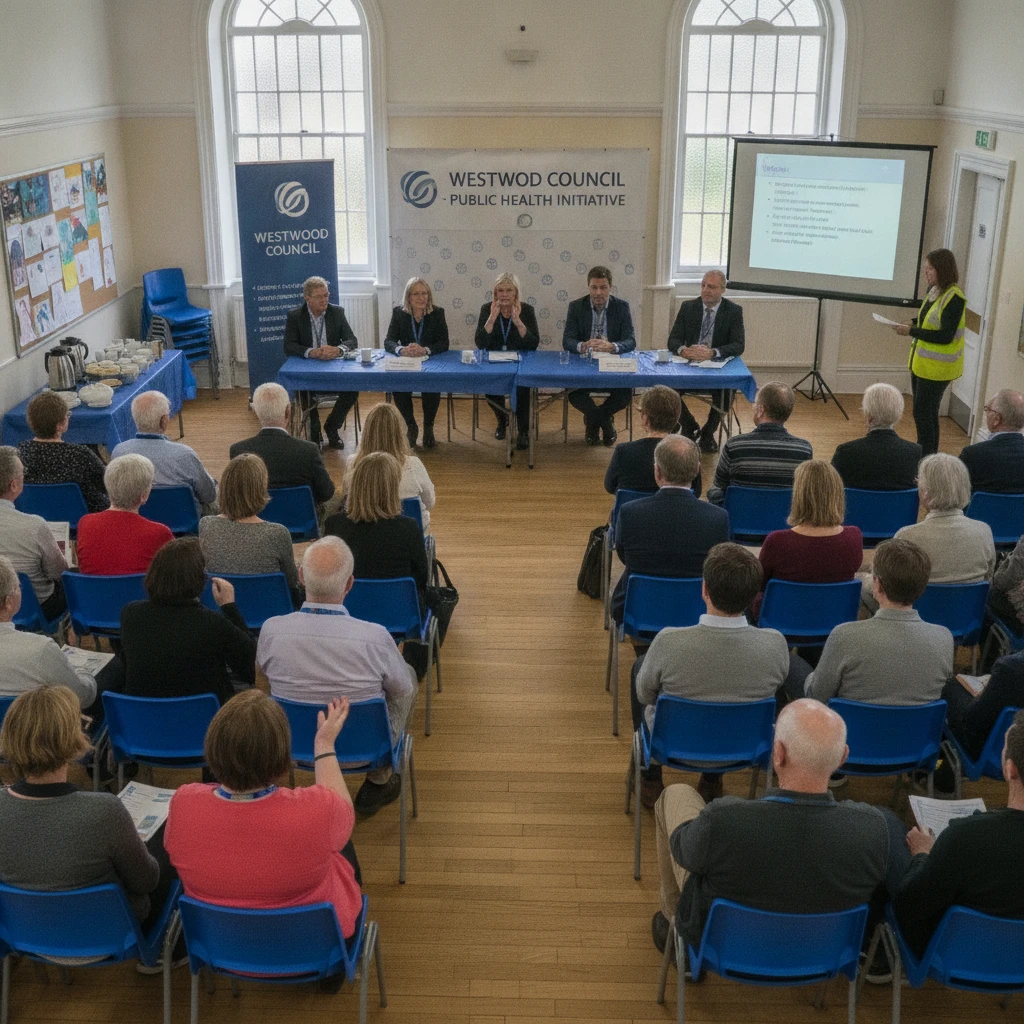
Your local council influences health in many ways, from supporting residents to stop smoking to monitoring risks in the local environment. Its public health responsibilities focus on improving health across the population and reducing inequalities, rather than providing all medical treatment.
Exact services and arrangements vary between areas. Knowing which organisation does what can help you find the right support, understand local decisions and raise concerns effectively.
What public health means at local level
At local level, public health means organised work to prevent illness, protect residents from health risks and help people live healthier lives. A council considers the health of its whole community, including differences in health outcomes between neighbourhoods and groups.
This broad role reaches beyond clinics. Housing conditions, transport, education, employment, planning and access to green space can all affect health. Councils may use their planning and community services to support healthier environments, while working with the NHS and other agencies on specific health priorities.
Health improvement includes prevention and support that can help people make healthier choices, such as stop-smoking advice or programmes to improve wellbeing. Health protection means helping prevent or respond to risks such as infectious disease, contaminated food or environmental hazards. These areas overlap, but each calls for different expertise and partners.
Public health also considers health inequalities: avoidable differences in health between people or communities. For example, a council might use local evidence to identify areas with low access to prevention services and work with community organisations to make those services easier to reach. The council can influence many conditions that shape health, but it cannot control every cause or guarantee the same service model everywhere.
Who leads public health in a council?
The Director of Public Health provides professional leadership and advice on population health, while the council’s public health team develops or coordinates local work. Partnership groups help connect this work with the NHS, social care and community organisations.
The Director of Public Health is a senior public health professional who advises the local authority and helps set direction for improving and protecting residents’ health. The role includes assessing local needs, reporting on public health issues and supporting plans to address local priorities. Directors of Public Health also have a wider professional role in advocating for the health of the population.
A public health team may include specialists in areas such as epidemiology, health improvement, health protection, commissioning and analysis. Team size and structure differ by council. Some services may be delivered directly by council staff; others may be commissioned from NHS organisations, charities or private providers.
The Health and Wellbeing Board brings together local authority, NHS and other partners to consider health and care needs and agree shared priorities. It is a partnership structure, not a single provider responsible for every service. Its discussions can help align local plans, while each organisation retains its own responsibilities and decision-making arrangements.
Key responsibilities and services
Councils lead or contribute to local work on health improvement, health protection and prevention, and may commission related services. The precise mix depends on local needs, funding, commissioning choices and how services are arranged in that area.
Common areas of council public health work include:
- Health improvement: supporting healthier choices and prevention through initiatives such as stop-smoking support, health information, physical activity programmes or work to reduce harmful alcohol and drug use. Availability and delivery methods vary.
- Public health services for children and families: councils have responsibilities in areas such as health visiting and school nursing, although local delivery arrangements can differ and services often involve NHS providers.
- Sexual health: councils may commission some sexual health services, including contraception and testing, subject to local arrangements. Check your council’s current service information for access details.
- Health protection: working with the UK Health Security Agency, NHS bodies and other partners to manage or communicate about public health risks. Councils may also act through environmental health functions.
- Environmental health: addressing issues such as food hygiene, housing hazards, pollution or pests, depending on the concern and the council’s powers. Some matters may sit with another regulator or agency.
- Public health advice and evidence: using data to inform council decisions, local plans and commissioned services.
These examples do not mean that every council provides each service in the same way. A council may commission a service rather than run it, and some concerns belong with the NHS, a regulator or another public body. If a service listing is unclear, ask the council which organisation is responsible and whether it can direct you to the right contact.
How councils identify local health needs
Councils use the Joint Strategic Needs Assessment (JSNA) to build a picture of local health and wellbeing needs, then use that evidence to help shape priorities and services. A JSNA brings together information about the population, health outcomes, wider conditions and existing support.
The Joint Strategic Needs Assessment is prepared through local partnership working, often involving the local authority and NHS partners. It can highlight patterns such as a rise in a particular health condition, gaps in access to support or differences in outcomes between neighbourhoods. It is an assessment of need, not a promise that a specific service will be introduced.
Evidence may include public health data, service information and feedback from residents or community groups. Each source has limits: data can lag behind current conditions, and averages can hide the experiences of smaller communities. Local teams need to interpret statistics alongside what residents report.
The health and wellbeing strategy sets out shared priorities for addressing needs identified locally. It can guide council and partner activity, but budgets, available evidence and changing circumstances affect what can be delivered and when. You can look for the JSNA and strategy on your council’s website, often under public health, health and wellbeing, or the Health and Wellbeing Board.
How councils work with the NHS and community partners
Councils work with the NHS and local organisations to improve population health, coordinate prevention and respond to local needs. Their roles are connected but not identical: the NHS is responsible for healthcare services, while councils focus on their local authority functions and wider population health responsibilities.
In practice, collaboration may involve the council’s public health team, the integrated care system, NHS services, social care, schools, voluntary organisations and community groups. Partners may share data appropriately, plan services together or coordinate support for residents who face barriers to care. Health and Wellbeing Boards provide one route for discussing shared priorities.
For example, a council may identify an area where residents have difficulty accessing health information. Public health staff could work with a GP practice, a community group and local libraries to share clear information and connect people with existing support. Each partner contributes a different service or form of expertise; the council does not take over clinical care.
This joined-up approach can make support easier to navigate, but it may also leave residents unsure who to contact. If the first organisation you approach cannot help, ask it to identify the responsible service or explain the correct referral route. For urgent medical advice or treatment, use NHS channels rather than assuming the council can provide clinical care.
How residents can find help or get involved
To find local public health support, search your council’s official website for the service name or terms such as “public health,” “health and wellbeing” and “environmental health.” Service pages should explain eligibility, contact details and whether another organisation delivers the service.
Try these steps:
- Check your council’s service directory for the specific issue, such as sexual health, stop-smoking support, food safety or a housing-related concern.
- Read the page for who provides the service, how to access it and any local eligibility or referral requirements.
- If you cannot find the right team, contact the council’s main customer service line and ask to be directed to public health or environmental health.
- For a concern affecting public health, describe what is happening, where and when, who may be affected, and any steps already taken. Avoid sharing unnecessary personal or medical details.
- Look for public consultations, Health and Wellbeing Board papers or community forums if you want to comment on local priorities.
For health concerns that need diagnosis, treatment or personal medical advice, contact an NHS service such as your GP or NHS 111, as appropriate. For an immediate emergency, use emergency services. The council may still be relevant if the concern involves a wider environmental or community risk, but it is not a substitute for medical care.
Local service pages and strategies can change, so check the current information rather than relying on an old leaflet or a service available in another area. If a concern involves several organisations, ask who will handle it and what the next step is.
Frequently asked questions
Public health is broader than clinical care, and the council’s exact services depend on local arrangements. These answers clarify common questions and help you choose where to look next.
Is public health the same as healthcare?
No. Public health focuses on preventing illness and improving health across communities, while healthcare includes individual assessment, diagnosis and treatment, mainly through the NHS. The two areas work together, but their responsibilities are different.
Which public health services does my council provide?
It varies by area. Councils may lead, commission or coordinate services such as health improvement programmes, some sexual health services, and public health work for children and families. Check your own council’s service directory for current provision and access details.
What does a Director of Public Health do?
A Director of Public Health advises the local authority, assesses population health needs and provides leadership on improving and protecting health. The director also helps partners understand local health priorities.
How can I contact my local council about a health concern?
Use the council’s official website or main contact number and describe the issue clearly. For risks involving food, housing conditions or pollution, search for environmental health; for broader health concerns, ask for the public health team or the appropriate service. If the issue needs medical care, contact the NHS.