A Complete Guide to Sexual Health Clinics and Services in the UK

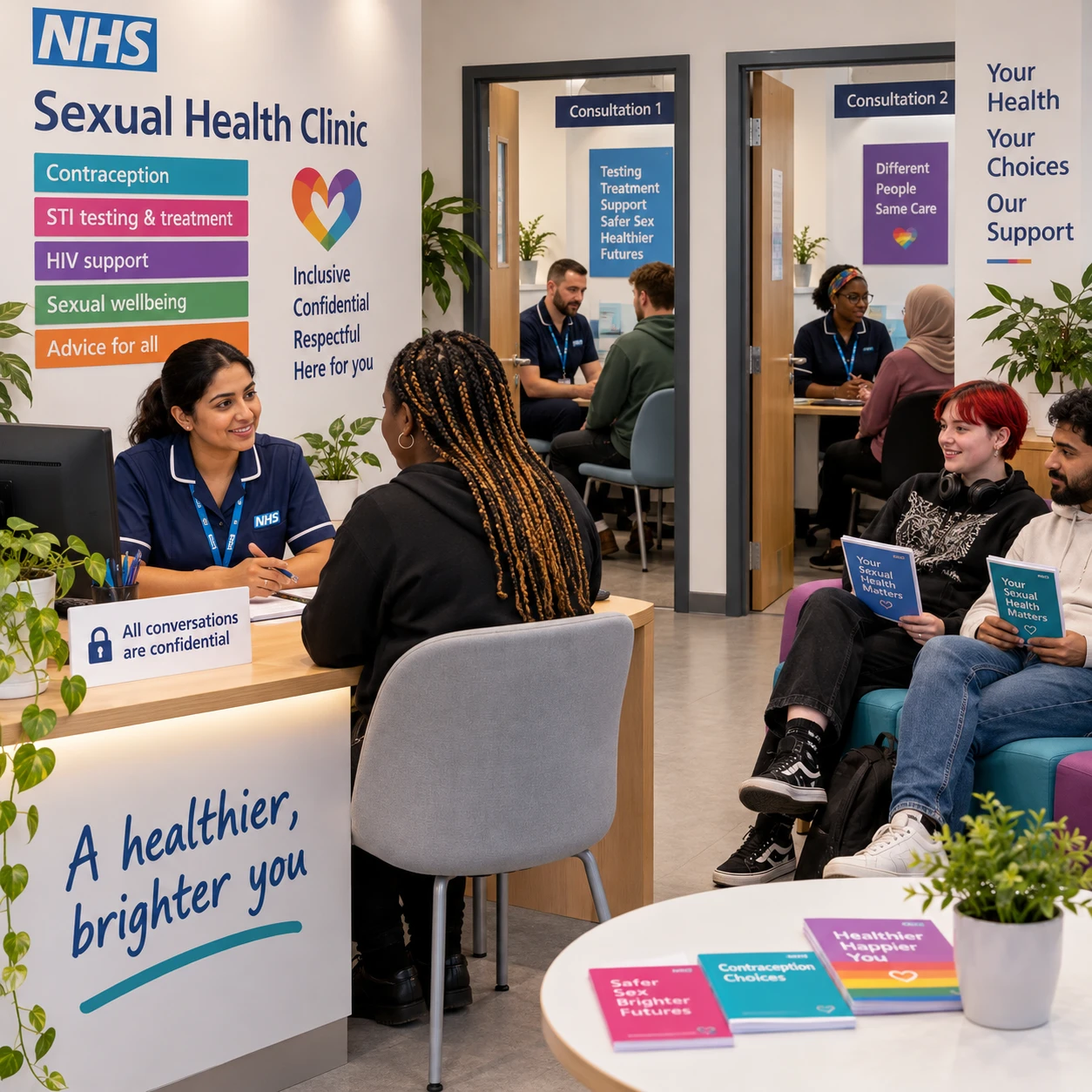
Sexual health clinics provide testing, treatment, contraception and advice in a confidential, non-judgmental setting. Services are available through NHS sexual health services and local providers, but what you can access, how you book and whether you need an appointment can vary by area.
Whether you have a specific concern or want a routine check, you can contact a service directly to ask what it offers. You do not need to have symptoms to seek sexual health advice or find out about testing.
What sexual health clinics do
Sexual health clinics assess and support people with concerns about sex, contraception, sexually transmitted infections (STIs) and related wellbeing. Many services are open to people of different ages and backgrounds, though local eligibility and service arrangements can differ.
Clinics may be run by the NHS, a local council, or a provider working on behalf of the council. They can offer face-to-face appointments, telephone advice, online services or a combination. Some clinics focus on particular services, so check locally before travelling.
Staff are used to discussing personal questions and can explain options without making assumptions about your relationships, identity or sexual history. You can contact a clinic because of symptoms, after a possible exposure, for routine screening, or simply because you want reliable information.
For an overview of NHS care, visit the NHS sexual health information. Your local council’s website can also help identify services commissioned in your area.
Services you can access
UK sexual health services commonly provide STI testing and treatment, contraception, HIV testing and sexual health advice. The exact combination depends on the clinic, so confirm availability when you book.
STI testing and treatment may include tests for infections such as chlamydia, gonorrhoea, syphilis and herpes, depending on your circumstances and the service. A clinician can advise which tests are appropriate and when to take them. If a test is positive, the clinic can explain treatment options and follow-up; some services can also help notify partners without disclosing your identity.
Contraception support can include information about different methods and, at some clinics, access to contraception such as condoms, pills, implants or intrauterine contraception. Availability and whether a method can be provided at the appointment vary. A clinician can discuss benefits, side effects and suitability so you can make an informed choice.
HIV testing may be available in a clinic, through a community service or by using an approved home-testing option. Ask about the test type, when it is appropriate after a possible exposure, and how results are delivered. A clinic can also signpost you to ongoing care and support if needed.
Sexual health advice may cover symptoms, safer sex, consent, relationships, pregnancy concerns and questions about sexual wellbeing. You do not need to know which test or service you need before getting in touch; describing your concern is enough to start the conversation.
How to find and book a local service
To find a local sexual health service, use the NHS service finder or check your council’s sexual health pages, then contact the provider to confirm the service and booking rules. Some areas use a central booking line or online portal rather than allowing direct booking with individual clinics.
Before arranging an appointment, check:
- Which services are available, including STI testing, treatment, contraception and HIV testing.
- Whether you need to book, can attend a walk-in session, or can use an online or telephone service.
- Opening hours, location, accessibility and any age or eligibility requirements.
- Whether the clinic asks you to avoid eating or drinking, bring information, or follow another preparation step. Do not assume special preparation is needed; follow the provider’s instructions.
Walk-in access is not guaranteed, and appointment capacity can change. Calling ahead can prevent a wasted journey, especially if you need a particular service or have a time-sensitive concern. If you are unsure where to start, your GP surgery may be able to signpost you, but a GP referral is not usually needed to contact a sexual health clinic directly.
What to expect at an appointment
A sexual health appointment usually starts with a private conversation about your concerns, health and what support you want. The clinician will explain any recommended tests or options before proceeding, but appointment steps vary by clinic and reason for attendance.
You may be asked about symptoms, when they began, sexual contact and contraception. You can ask why a question is relevant, request a pause, or say if you would rather not answer. Sharing accurate information can help staff recommend suitable tests, but the conversation should be respectful and focused on your care.
Testing may involve a urine sample, a swab you take yourself or a clinician takes, or a blood test. You will be told what each test involves. An examination is not automatically required; if one is suggested, staff should explain why and ask for your consent.
Ask how and when results will arrive, what to do if you do not hear back, and whom to contact if symptoms change. Some results come quickly, while others take longer. Follow-up may include treatment, repeat testing, partner notification or referral to another service. If you need an interpreter or an adjustment for disability, contact the clinic beforehand to ask what it can arrange.
Cost, confidentiality and eligibility
Many NHS sexual health services are free, and confidentiality is a core part of care, but the details can depend on the service, treatment and location. Confirm local arrangements rather than assuming every clinic offers the same access or covers every cost.
When booking, ask whether the service is free for your circumstances and whether any specific treatment or item carries a charge. Also check age requirements and whether the clinic serves people who live outside its area. A provider can explain its eligibility rules before you attend.
Clinics handle personal information under applicable privacy and safeguarding rules. Staff should explain how your information is used and when they may need to share it, such as where there is a serious safety concern. If privacy is a worry, ask about contact preferences, messages, letters and how results will be communicated. You can tell staff if it is not safe to leave a voicemail or send a text.
People under 16 can still seek sexual health advice, although staff may need to consider their safety and support needs. If you are concerned about confidentiality, ask the clinic to explain its policy in plain language before sharing details.
Getting urgent or additional support
Seek prompt professional advice if you have severe or rapidly worsening symptoms, are worried about a recent exposure, or need urgent contraception or support after sexual assault. A sexual health clinic, NHS 111 or another appropriate urgent service can help direct you; call 999 or go to A&E for an emergency.
Timing matters for some concerns, so contact a service promptly rather than waiting for a routine appointment. Explain what happened and when, and ask where you should be seen. A clinic may provide the care itself or refer you to an emergency department, specialist service or another local provider.
Some services offer tailored support for young people, LGBTQ+ people, people experiencing sexual violence, and those who need help communicating or accessing care. Availability differs across the UK. If a service cannot meet your needs, ask for a specific referral or the name of a local organisation that can.
There is no need to wait until you have a diagnosis or know exactly what to ask. A clear first step is to contact a local service, describe your concern, and confirm what support is available and how quickly you can access it.