How to Navigate NHS Services for Non-Emergency Care: A Step-by-Step Guide

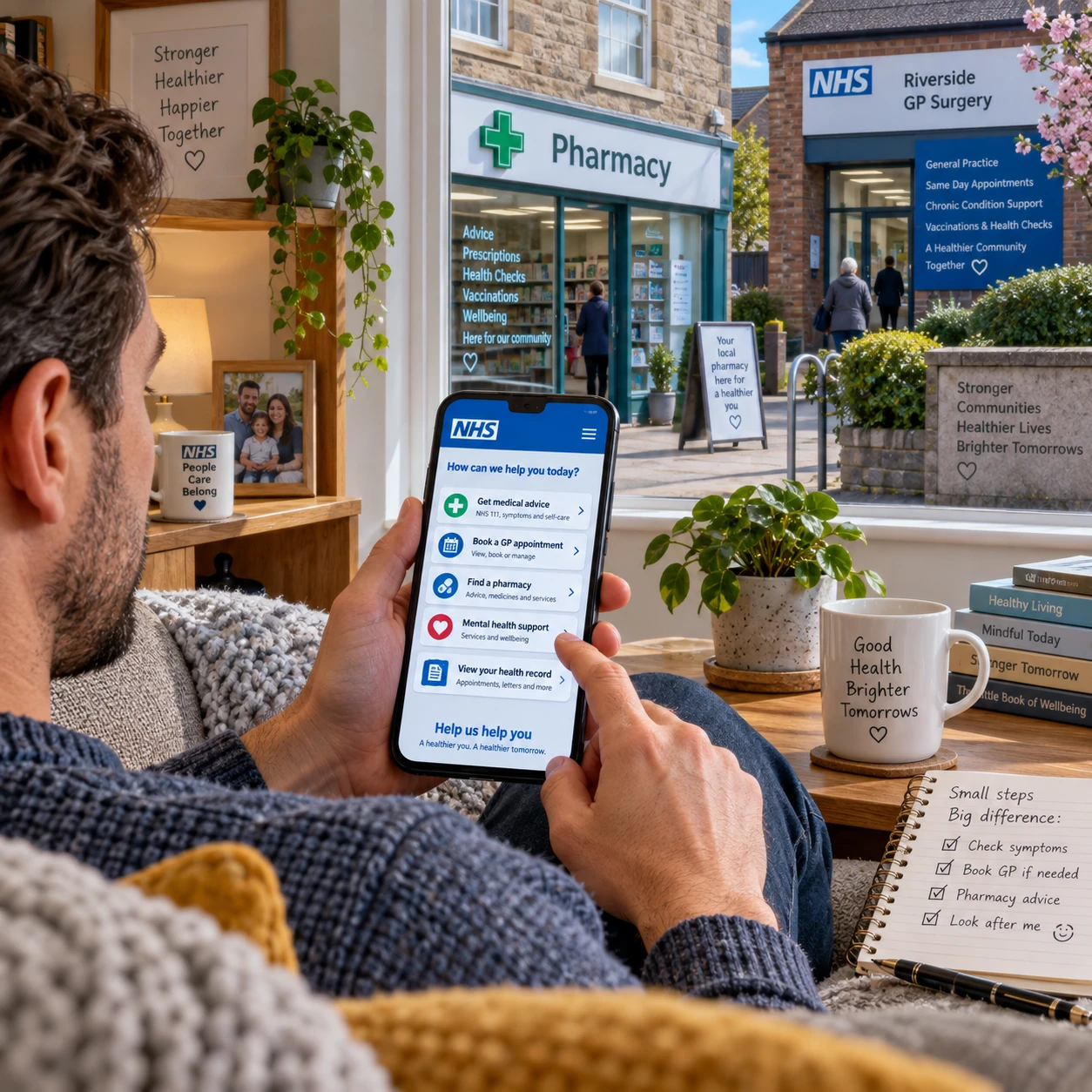
When a health concern is not life-threatening, it can still be hard to know where to turn. The NHS offers several routes for non-emergency care, including NHS 111, a GP surgery, a community pharmacy and an urgent treatment centre. The right option depends on your symptoms, how quickly you need help and what services are available locally.
This guide explains how to make that choice, what information to prepare and what to do if your condition changes. It is general information, not a diagnosis or a substitute for advice from a health professional.
Start by assessing your concern
For a non-emergency concern, first consider how serious it feels and whether it is getting worse. If someone appears to be in immediate danger or needs urgent emergency help, call 999; otherwise, use an NHS service for advice on the next step.
There is no need to work out a diagnosis before you ask for help. Focus on what you can observe: when the problem began, what has changed, how it affects everyday activities and whether the person is becoming more unwell. If you are unsure which service fits, NHS 111 can assess the situation and direct you to appropriate care.
Use 999 for emergencies, not as a faster way to get a routine appointment. For health concerns that need attention but do not seem immediately life-threatening, NHS 111, your GP or a local urgent treatment service may be more suitable. If symptoms worsen while you are waiting for advice or an appointment, seek help again rather than relying on an earlier assessment.
People who have communication, mobility or access needs can tell the service when they make contact. Ask about interpreting, accessible formats, reasonable adjustments or a suitable appointment location. Availability and arrangements vary between areas.
Choose the right NHS service
The right NHS service depends on the type and urgency of your concern: a pharmacist may help with a minor illness, a GP can assess a broader range of health needs, and NHS 111 can guide you when you are unsure or need care outside usual GP access.
NHS 111 is available by phone and, in many circumstances, through NHS 111 online. It can assess symptoms, provide advice about where to seek care and direct you to services such as an urgent treatment centre when appropriate. Online access is not suitable for every situation; follow the instructions provided and call 111 if the service advises you to or if you cannot use it.
A GP surgery is usually the right starting point for ongoing or recurring concerns, changes to a long-term condition, mental health support, medication questions and symptoms that need a clinician’s assessment. Contact your own surgery to find out how it handles appointments and clinical requests. If it is closed, NHS 111 can advise on out-of-hours options.
A community pharmacy can offer advice about many minor illnesses and medicines. Some pharmacies also provide services such as blood pressure checks or treatment through local or national schemes, but what is available depends on the pharmacy and your circumstances. Call ahead if you need a particular service.
An urgent treatment centre can assess a range of urgent, non-life-threatening problems. Do not assume every centre has the same opening hours, services or walk-in arrangements. NHS 111 or the local NHS website can help you check where to go. Choosing a service that matches your need can avoid an unnecessary trip, though a clinician may redirect you if another service is more appropriate.
Contact the service and prepare
To contact the right service, use its current local access route: call NHS 111 or use NHS 111 online, contact your GP surgery, speak to a community pharmacy, or follow guidance about an urgent treatment centre. Checking local arrangements first can save time and help you reach the right team.
Before you make contact, note down a few details. You do not need a perfect account; short, accurate information is more helpful than trying to remember everything during the conversation.
- Symptoms: what is happening, when it started and whether it is changing.
- Medicines: names and doses, including over-the-counter medicines, supplements and any allergies or past reactions.
- Relevant health history: long-term conditions, recent treatment, pregnancy where relevant, and any important previous episodes.
- Practical details: your location, a callback number and any communication, mobility or access needs.
The NHS App can help you access some GP services, view information and manage appointments, depending on what your surgery offers. It does not replace 999 in an emergency, and not every practice provides the same features through the app. For an overview of NHS 111, check the NHS guidance on when to use 111.
Know what happens next
After you contact an NHS service, you may receive self-care guidance, an appointment, a referral to another service or advice to seek more urgent help. The next step depends on the information you provide and the clinician’s assessment.
NHS 111 may recommend contacting your GP, speaking with a pharmacist, attending an urgent treatment centre or using another service. It may also arrange a callback or direct you to a local option. Follow the specific instructions you receive, including where to go and when; a referral or recommendation does not mean that every service works as a walk-in clinic.
Your GP surgery may offer a phone or in-person assessment, an appointment with another suitable member of the practice team, or a planned follow-up. If you cannot attend at the proposed time or do not understand the plan, contact the practice to discuss alternatives. At a pharmacy or urgent treatment centre, staff will explain what they can provide and whether you need further assessment elsewhere.
Keep track of any advice, appointment details and changes in symptoms. If the suggested service is inaccessible because of a disability, language barrier or transport issue, explain the problem and ask about another way to receive care. Local arrangements differ, so check directly with the service.
Get help if your situation changes
If your symptoms get worse, new concerns appear or you are unsure whether the original advice still applies, contact NHS 111 or the service that assessed you for updated guidance. If someone needs immediate emergency help, call 999.
An earlier assessment describes the situation at that time; it cannot guarantee that symptoms will stay the same. When you seek further advice, explain what has changed and when. If you are waiting for a GP appointment, do not wait for it if the situation becomes urgent. NHS 111 can help you find the appropriate next step when emergency help does not appear to be needed.
Call 999 when there is an emergency and immediate help is needed. If you are uncertain whether the situation is an emergency, explain what is happening to the call handler and follow their instructions. Do not use an urgent treatment centre or a routine GP appointment as a substitute for emergency services.
Find local support beyond NHS treatment
Local council health services and community organisations may support wellbeing alongside NHS care, though services differ by area. Your council’s website can point you to local public health information, social care, wellbeing programmes and community support.
Depending on where you live, council and community services may include stop-smoking support, physical activity programmes, sexual health information, carers’ support, help with social isolation or advice about housing and health. These services do not replace clinical assessment for a new or worsening health problem. A GP, pharmacist or NHS 111 can help you decide whether a health service should be involved first.
For practical access, search your local council’s official website or ask your GP surgery, pharmacy or community centre for signposting. Check eligibility, cost, opening times and referral requirements before attending. Some services are open to residents directly; others need a referral or are available only to particular groups.
Frequently asked questions
When should I use NHS 111 instead of contacting my GP?
Use NHS 111 when you need medical advice and are unsure which service to contact, especially outside your GP surgery’s usual access hours. For ongoing concerns or routine follow-up, contact your GP surgery directly. If someone needs immediate emergency help, call 999.
Can a pharmacist help with a minor illness?
Yes. A community pharmacist can advise on many minor illnesses and medicines, and some pharmacies offer additional local or national services. The services available vary, so check with the pharmacy. Seek further care if symptoms worsen or the pharmacist recommends it.
What should I do if I cannot get a GP appointment?
Ask your GP surgery what assessment or alternative appointment options it offers. If you need advice sooner or the concern cannot wait for the available appointment, contact NHS 111. Use 999 for an emergency.
When should I call 999?
Call 999 when someone needs immediate emergency assistance. Explain what is happening and follow the call handler’s instructions. NHS 111 is for urgent advice when emergency services are not clearly needed.